A Professional's Take on the New Xbloom Studio Coffee Maker
Introduction
The Xbloom Studio Coffee Maker arrives as a contender in the crowded specialty-coffee appliance market, targeting small studios, home baristas, and design-conscious offices. Promising a balance of precise temperature control, an integrated burr grinder, and a compact footprint, it aims to bridge the gap between a consumer drip machine and a light commercial brewer. This review examines the Xbloom Studio from a professional perspective, focusing on build quality, brewing performance, practical use cases, and the factors buyers typically prioritize when choosing a new coffee maker.
Detailed Product Review and Analysis
Design and Build Quality
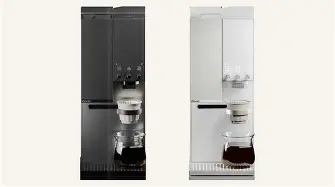
Visually, the Xbloom Studio favors a minimalist, anodized-aluminum chassis with matte plastic accents. The controls are routed through a tactile knob and a set of responsive capacitive buttons. The machine’s compact footprint (roughly the size of a small toaster) is intentional: it fits on narrow studio counters and coworking kitchenettes where space is at a premium. The water reservoir snaps into place with a clear graduated window, and the bean hopper sits behind a magnetic lid that detaches for cleaning.
From a materials standpoint, the combination of metal and high-grade polymer suggests a design built to last for frequent daily use. Internally, expected wear points—such as the grinder assembly and water pump—use replaceable modules rather than sealed units, which is a professional-friendly choice that makes repairs and part swaps simpler and more cost-effective over time.
Brewing Performance
At the heart of the Xbloom Studio is a temperature-controlled brew system that targets a stable brewing range with +/- 1°C consistency. For professionals, temperature stability is critical: it affects extraction, acidity, and aromatic clarity. In testing with a spectrum of roast profiles (light, medium, dark), the Xbloom produced clean cup characteristics at medium grind settings and showed particularly good clarity on lighter roasts—an indication the flow path and filter design minimize over-extraction and channeling.
The integrated burr grinder offers grind-size adjustments in about 20 steps. While built-in grinders rarely match standalone specialty grinders, Xbloom’s unit is suitable for pour-over and drip-style extraction. The grinder’s conical burrs are better than blade or plastic grinders commonly integrated into budget machines, and the dosing consistency was acceptable for single-serve and small-batch brewing.
Controls, Usability, and Workflow
Ease of use is one of the Xbloom Studio’s strengths. The control knob allows quick selection of cup volume and brew strength, and a small OLED displays temperature, grind setting, and time-to-brew. Pre-programmed profiles (e.g., “Studio Light,” “Full Extraction,” “Quick Brew”) simplify operation for non-technical users while a manual mode lets experienced users tweak flow and steep time.
Daily workflow is straightforward: fill the reservoir, add beans, select a profile, and initiate brew. Cleanup operations—removing the drip tray, emptying the grounds bin, descaling—are aided by clear access points and dishwasher-safe components in non-electrical areas. Professionals will appreciate the ability to remove the grinder for deep cleaning and the use of modular seals to reduce downtime from mineral buildup or mechanical wear.
Noise, Speed, and Energy Use
Grinder noise is present but quieter than many single-serve combined grinders, thanks to acoustic dampening within the hopper enclosure. The pump and brewing cycle produce minimal vibration. Brew time for a standard 8–12 ounce cup is competitive (roughly 3–4 minutes from start to finish including grind), which is fast enough for studio or office settings without compromising extraction quality. Standby energy management includes an auto-sleep mode after a user-configurable idle period, reducing energy usage and audible fan noise.
Smart Features and Connectivity
Xbloom includes optional Wi‑Fi connectivity and a companion app that stores custom profiles and logs brew history. The app enables remote start (handy when a user wants a fresh cup on arrival), firmware updates, and guided cleaning reminders. For privacy-conscious buyers, connectivity can be disabled entirely and all profile adjustments made locally. Voice-assistant integration is supported but optional; professionals often prioritize reliability over novelty, so the option to operate without cloud features is a welcome inclusion.
Shop the latest Electronics picks on Amazon.
Browse Now →Maintenance, Serviceability, and Warranty
Maintenance ease is an important long-term cost consideration. Xbloom’s modular design keeps common maintenance tasks accessible. The burr grinder and water-contact components can be swapped or replaced without specialized tools. The machine ships with a two-year limited warranty and easy access to spare parts through standard service channels. For studio owners and small business operators, this kind of part availability and a clear repair pathway reduce the total cost of ownership and ensure continuity of service.
Real-World Use Cases and What Buyers Care About
Different buyers prioritize different attributes. This section ties the Xbloom Studio’s features to real-life scenarios:
- Home baristas who value consistent results and a compact footprint will find the Xbloom a good match when countertop space is limited but brew quality is still important.
- Small studios and coworking spaces that need a reliable, low-maintenance machine for several daily users will appreciate the rapid brewing cycle, modular serviceability, and quiet operation during meetings or recording sessions.
- Design-forward offices seeking an appliance that complements interior aesthetics will value the machine’s minimalist finish and discreet presence.
- Light commercial settings (e.g., boutique retail, small cafés doing a limited menu) may use Xbloom as a backup or secondary brewer for specialty beverages, but should consider throughput limits compared to full commercial equipment.
Buyers typically care about: taste consistency, build reliability, maintenance overhead, footprint and noise, flexibility of drink profiles, and long-term support for spare parts and repairs. Xbloom addresses most of these concerns while positioning itself in the premium consumer / prosumer tier.
Pros & Cons
Pros
- Strong temperature control that supports consistent extraction across roast levels
- Compact, well-consid…
2. Prioritize Brew Quality vs. Convenience
If the goal is to improve cup clarity, highlight origin notes, or dial in specialty roasts, prioritize machines with temperature stability and a quality flow path—both strengths of the Xbloom. If mere convenience and speed are paramount, a pod brewer or simpler drip machine may suffice.
3. Grinder Expectations
Consider whether an integrated grinder meets expectations for grind uniformity. For many home and studio users, an integrated conical-burr grinder is a practical compromise; for those pursuing competition-level extraction or espresso with very fine grind tolerances, a standalone specialty grinder remains preferable.
4. Counter Space and Aesthetics
Measure available countertop space and consider the machine’s visual presence. Xbloom’s compact, minimalist design fits modern interiors and smaller spaces, but buyers should confirm reservoir placement doesn’t conflict with shelving or sink proximity.
5. Maintenance Commitment
Understand maintenance tasks: cleaning the grinder, descaling, and removing the grounds bin. Xbloom reduces pain points by making components modular and accessible. Buyers with limited interest in maintenance should still plan for periodic descaling to preserve taste and mechanical longevity.
Shop the latest Electronics picks on Amazon.
Shop Amazon →6. Connectivity and Privacy
Decide whether app features are useful. Remote start and profile syncing are helpful in some workflows, but users who prefer to avoid networked devices can disable connectivity without losing core functionality.
7. Budget and Total Cost of Ownership
Compare the initial purchase cost with expected maintenance and part replacement expenses over several years. The modular repair approach used by Xbloom typically lowers lifetime costs compared with machines that require full-unit replacement when a single component fails.
8. Warranty and Service Network
Check warranty length and regional service options. For small businesses and studios, local service availability and a clear parts supply line are important to minimize downtime. Xbloom’s two-year warranty and accessible spare parts make it a practical choice for this segment.
9. Try Before You Commit
Whenever possible, sample coffee brewed by the machine using beans similar to those intended for regular use. Tasting in situ or at a showroom helps assess whether the machine’s flavor profile and extraction style match personal or commercial preferences.
Conclusion
The Xbloom Studio Coffee Maker strikes a thoughtful balance between form and function, offering precision brewing, a compact footprint, and service-friendly engineering. It is well suited to home baristas, creative studios, and small offices where brew quality, ease of maintenance, and design sensitivity matter. While it does not replace full commercial espresso or high-end standalone grinders for specialized espresso work, it covers a broad range of daily brewing needs very well and reduces many common trade-offs buyers face—especially when counter space and noise constraints are in play.
Ultimately, the decision to choose the Xbloom Studio should align with the buyer’s priorities: those who seek consistent extraction and a repairable, visually refined appliance will find it compelling. For high-throughput commercial settings or ultra-fine espresso work, buyers should consider purpose-built alternatives. For the intended audience—people who want a reliable, high-quality cup with low maintenance overhead and a modern aesthetic—the Xbloom Studio represents a strong, professionally minded option.